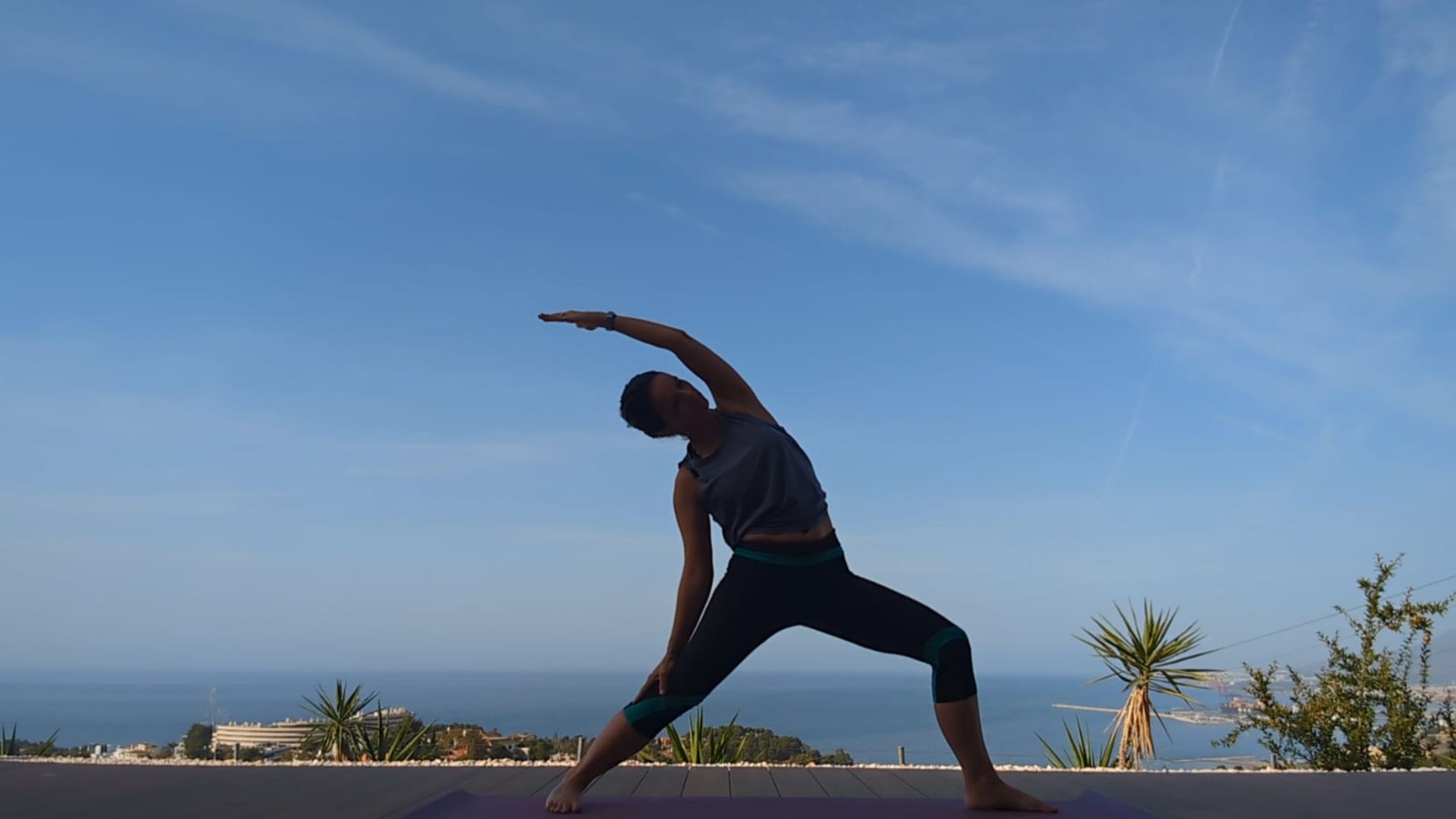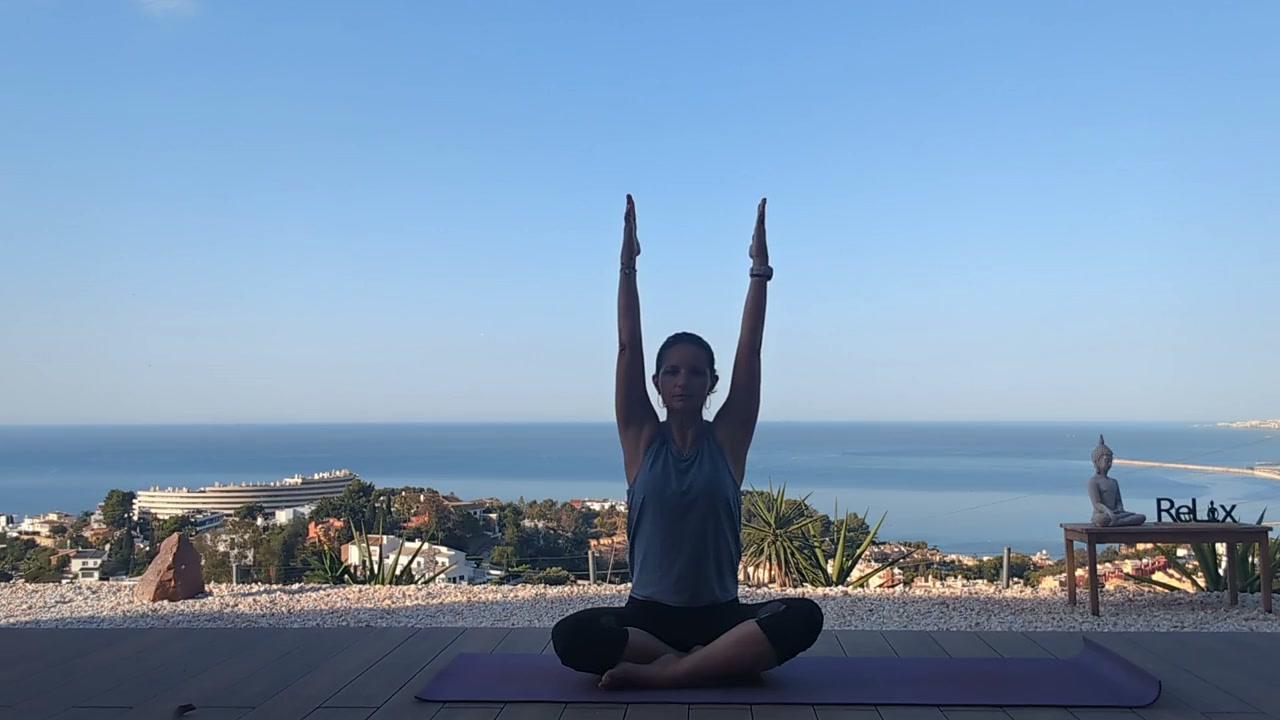
Many adults notice the same shift after 40: hips feel tighter, shoulders complain sooner, and getting up from the floor takes a little more thought than it used to. That does not automatically mean your body is declining. It often means your body needs more regular movement than it did before.
What mobility really means
Mobility is not the same as flexibility. Flexibility is your passive range. Mobility is your ability to control that range and use it in real life. It is the difference between being able to fold forward and being able to bend, twist, reach, squat, and move with confidence during the day.
Why mobility often drops after 40
In most cases, the problem is not age alone. It is the combination of more sitting, less variety of movement, more stress, and less recovery. If you spend hours at a desk, rush through the day, and only move intensely once in a while, your body starts protecting itself by becoming more guarded and more rigid.
- Hips stiffen from sitting and driving.
- Shoulders tighten from screens and poor posture.
- The spine loses variety if you mostly move in one direction all day.
How yoga helps you move better
Yoga is useful for mobility after 40 because it combines three things that work especially well together: repeated joint movement, strength in supported positions, and breathing that helps the body relax enough to change.
1. It restores movement gradually
Good mobility work does not force range. It repeats simple patterns often enough that your body starts trusting them again. That is why short daily sessions usually work better than long, occasional efforts.
2. It builds strength inside the stretch
If you only stretch, your body may not keep the range you gain. Yoga asks you to support yourself while you lengthen, which is one reason mobility improvements are more usable and longer lasting.
3. It makes consistency more realistic
Adults over 40 are rarely helped by extreme plans. They are helped by structure. A ten-minute routine you repeat five times a week will often do more than one heroic class followed by six inactive days.
Good places to start
- Spinal mobility and breathing
- Hip-opening patterns for people who sit a lot
- Shoulder mobility with light strength work
- Simple balance and core exercises that improve control
What results are realistic
Most people do not need dramatic change straight away. They need signs that the body is responding. That might look like waking up less stiff, climbing stairs more comfortably, reaching overhead without tension, or feeling less creaky after a day at the desk.
When to seek medical advice
If stiffness comes with sharp pain, numbness, repeated joint locking, or symptoms that keep getting worse, it is worth speaking with a qualified health professional. Educational movement content can support you, but it should not replace personal medical advice.
A better way to begin
If you want better mobility after 40, start smaller than you think. Pick a short routine, repeat it often, and use a structure that helps you stay consistent. That is exactly why Move Better focuses on short daily sessions, weekly live support, and guidance built for adults with real schedules.