A lot of adults blame themselves for stopping and starting. They tell themselves they lack discipline. In practice, what usually breaks a routine is something simpler: the plan asks for more time, energy or certainty than daily life can give.
Why people stop exercising
- They start with sessions that are too long.
- They rely on motivation instead of routine.
- They choose something intimidating instead of something repeatable.
- They miss a few days and decide they have failed.
What actually works better
Make the daily step small
Ten minutes is enough to keep the habit alive, although it is a starting point, not the full weekly guideline of 150 minutes of moderate activity (NHS). It also removes the mental friction that makes people postpone movement until later, then skip it altogether.
Know what comes next
Random videos create decision fatigue. A structured plan removes the question of what to do today and helps your body progress instead of starting over repeatedly.
Expect imperfect weeks
Consistency does not mean perfection. It means returning quickly when life interrupts you. Missing one day is normal. Missing three weeks because you felt guilty is the real problem.
A simple rule
Choose the version of exercise you are still likely to do on a busy day. That is usually the version that lasts.
Habits that make 10 minutes a day stick
- Attach it to something you already do. After the first coffee, before the shower, when you close the laptop.
- Make it visible. Leave the mat out. Put the session in your calendar like a meeting.
- Have a minimum version. On bad days, two minutes of cat-cow and a few hip circles still count.
- Never miss twice. One missed day is life. Two in a row is the start of stopping, so make the next day non-negotiable.
- Track it. A tick on a calendar or a simple stiffness score from 1 to 5 each morning shows progress you would otherwise not notice.
Expect it to take a while. In a UCL study that followed 96 adults as they repeated a new daily behaviour, the typical time to feel automatic was about 66 days, with a range from 18 to 254 days, and missing a single day made little difference (Lally et al., 2010). The takeaway is to aim for returning quickly, not for a perfect streak. The study was small and relied on self-reported habit strength, so treat 66 days as a rough guide rather than a rule.
Five-minute yoga flow
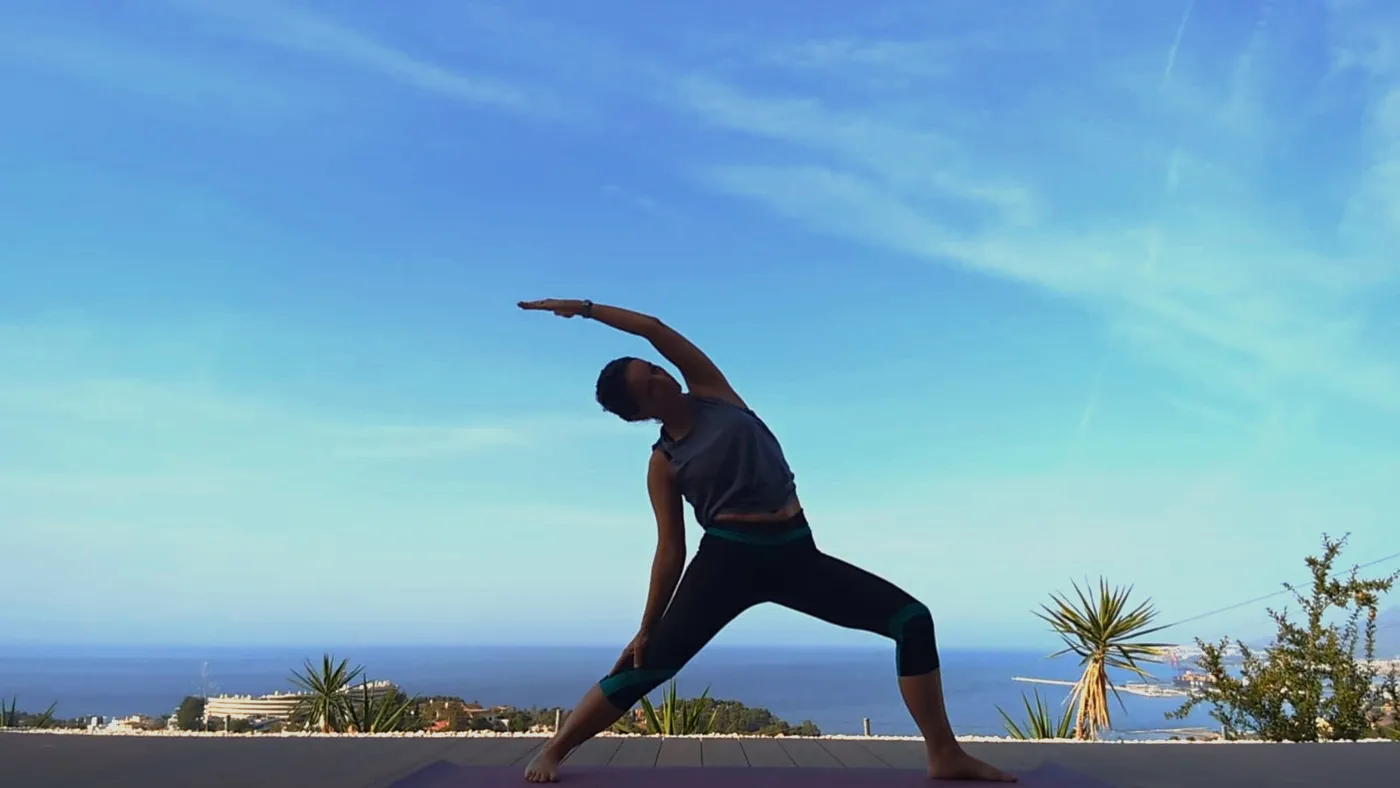
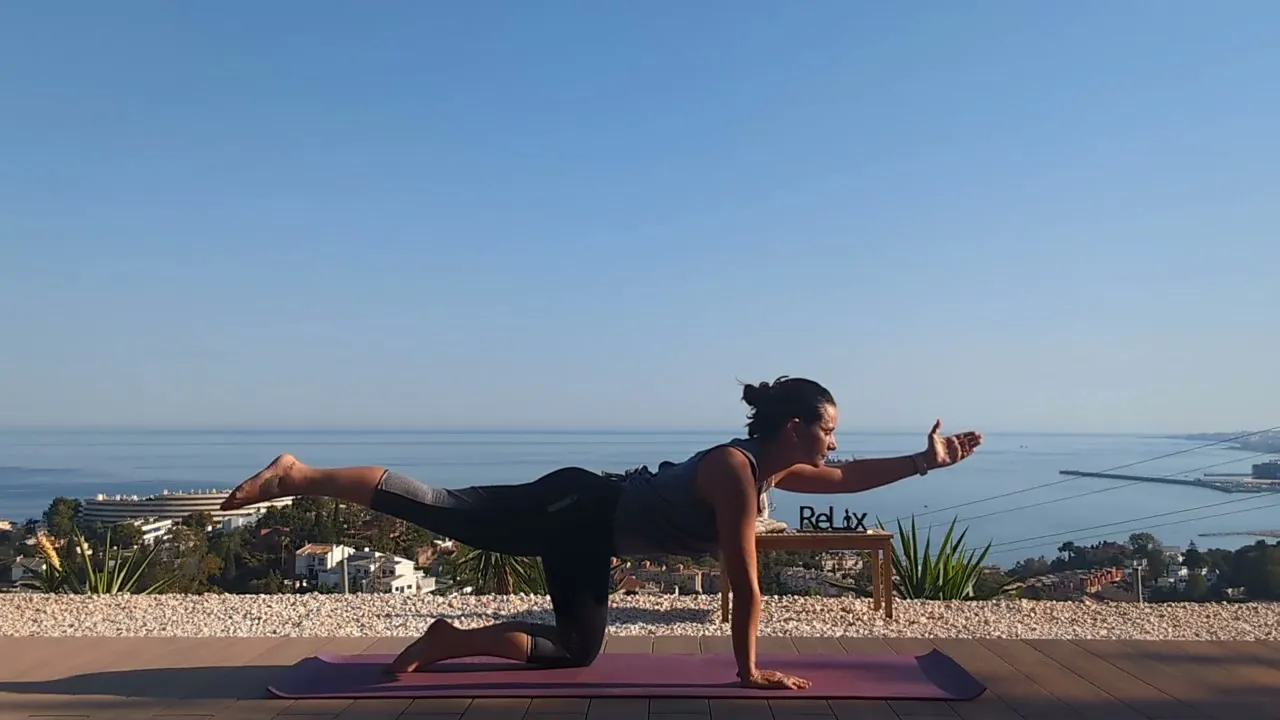
A real example of a minimum session: short enough to do on a bad day, and still a proper practice.
Want a ready-made routine that is easy to keep? See the 7-Day Reset for €9
Restarting at 45 when you feel out of shape
If you have not exercised for months or years, the most common mistake is to restart at the level you remember. Start lower than feels necessary.
- Check first if you need to. If you have a heart condition, high blood pressure, joint problems or any symptoms during activity, talk to your doctor before you begin.
- Weeks 1 and 2: 10 minutes of gentle mobility on five days, plus one or two easy walks. Finish every session feeling you could have done more.
- Weeks 3 and 4: keep the daily 10 minutes and add simple strength moves such as sit-to-stands, wall push-ups and bridges on two days.
- Do not chase soreness. Feeling a little worked is fine. Being too stiff to move the next day means you did too much.
Prefer to be guided? The 7-Day Move Better Reset is 7 short video sessions, 10 to 15 minutes a day, for €9.
Try the Reset for €9If you do not enjoy working out
Plenty of people dislike gyms, sweat and being told to push harder. You do not need to love exercise to be consistent with it. Choose movement that feels pleasant rather than punishing, keep sessions short, do it somewhere you like (outdoors, with music, before anyone else is up) and judge it by how you feel afterwards rather than during. Gentle mobility and yoga are often the easiest entry point for exactly this reason.
Why support helps adults over 40
At this stage of life, many people already know movement matters. What helps is a clear schedule, small reminders and a way to see progress, so that showing up does not depend on how motivated you feel that morning.
A calmer way to restart
If you are tired of starting again, you probably do not need more pressure. You need a better container. The 7-day mobility plan for beginners is a free way to test a week. Move Better is built on the same idea over eight weeks: short daily sessions in a set order, weekly reminders and progress tracking. If you want to compare it with free videos and apps first, read Free YouTube, apps or a structured program?