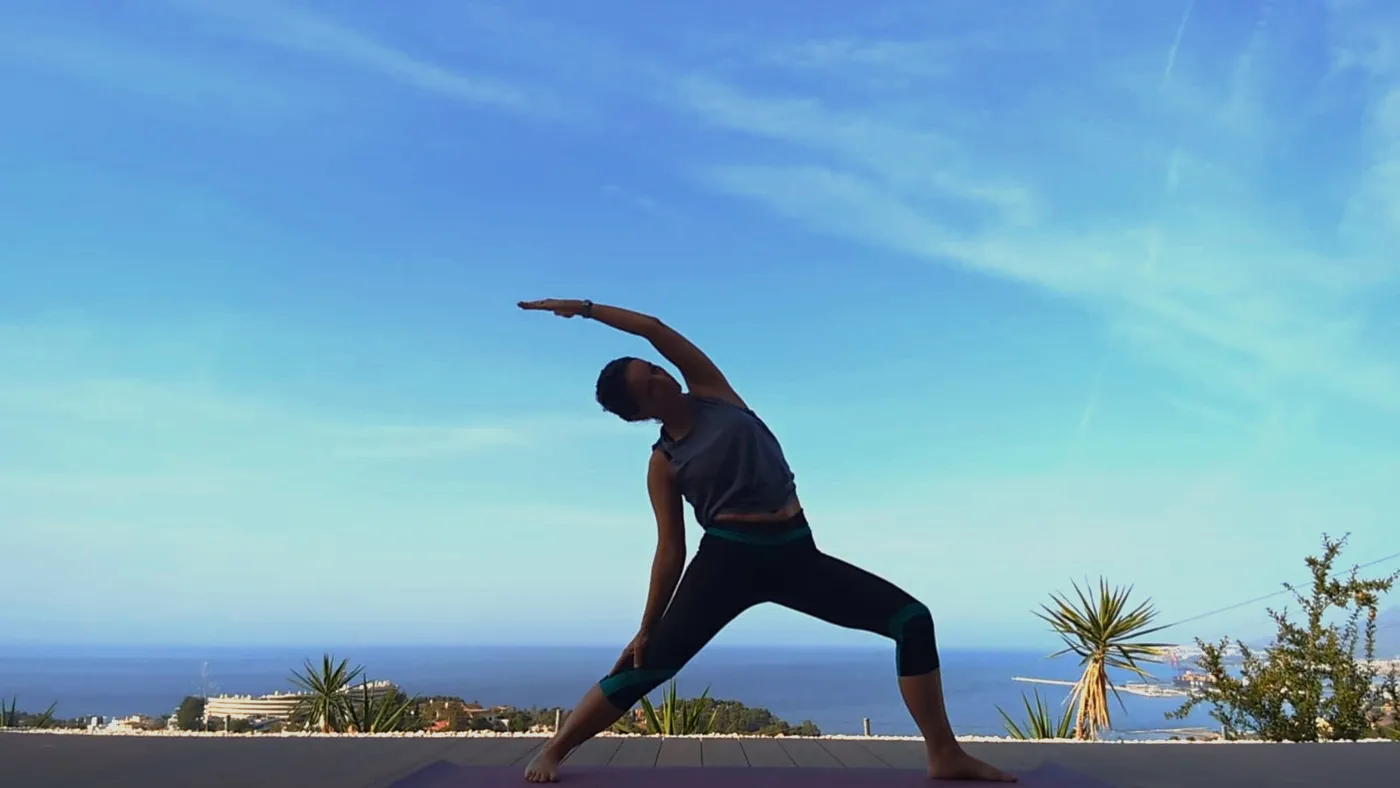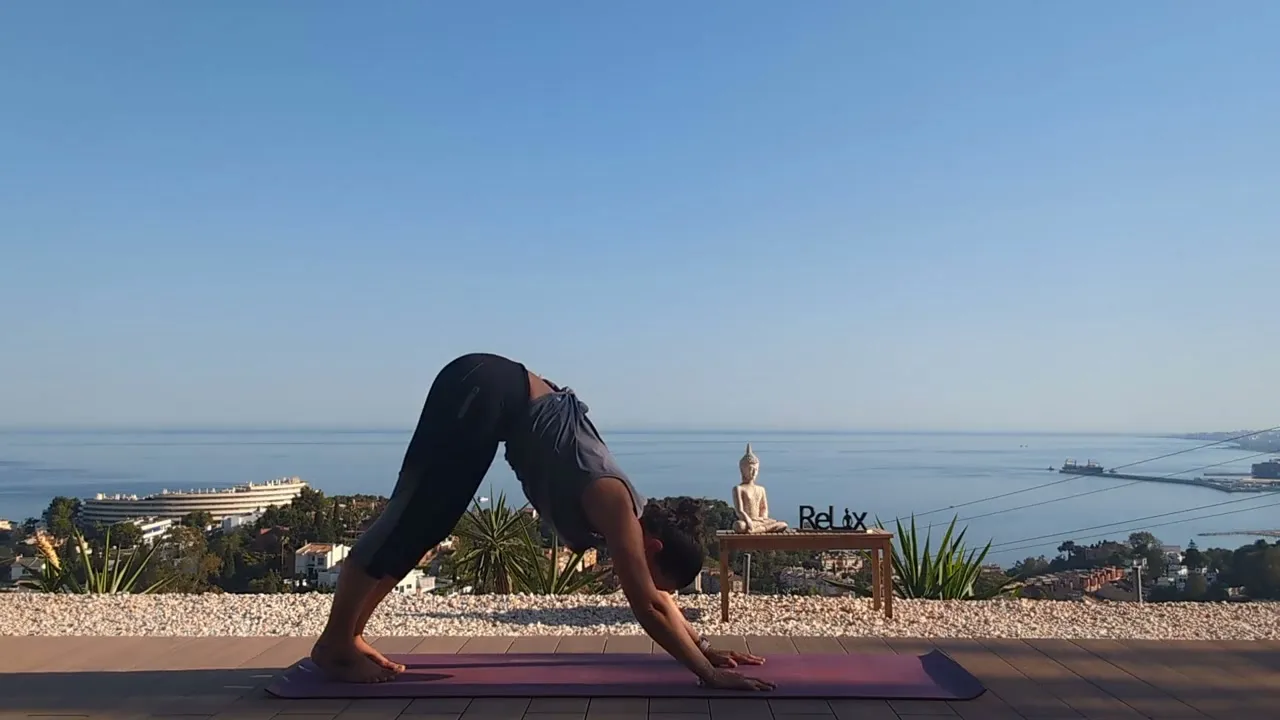
The value of ten minutes is not that it is magical. The value is that it is repeatable. A short routine is easier to fit in before work, after a long day or when motivation is low, and a routine you repeat beats a better one you skip.
What the evidence says about short daily sessions
A Penn State study published in PLOS One in 2026 (FAST-2) followed 97 adults aged 65 and over, average age 74. One group did a four-minute workout daily: push-ups (or an easier version against a wall), chair stands, rows with an elastic band and stair stepping, each for 30 seconds with 30 seconds of rest. They completed it on 81% of days. Compared with their starting point, they could do 4.2 more chair stands in 30 seconds, stand on one leg 3.6 seconds longer and get up from a chair 2.3 seconds faster, with improvements seen in as little as 12 weeks (Penn State).
The study was in older adults and used strength exercises, not stretching, so it does not prove that any ten minutes will do the same for everyone. It does show that very short sessions, done most days, can change things that matter in daily life.
What ten minutes can do well
- Reduce the stiffness that builds up from sitting
- Wake the body up and make the first movements of the day easier
- Improve mobility gradually, especially when it includes some strength and balance work
- Build a routine you are more likely to keep
Eight-minute yoga strength flow
An example of what a short, strength-focused practice looks like: planks, Three-Legged Dog variations and transitions for core strength and control.
Prefer a guided week of short sessions? Try the 7-Day Reset for €9
Prefer to be guided? The 7-Day Move Better Reset is 7 short video sessions, 10 to 15 minutes a day, for €9.
Try the Reset for €9What it will not do alone
Adult guidelines recommend at least 150 minutes of moderate activity a week, strengthening activities for all the major muscle groups on at least two days, and breaking up long periods of sitting (NHS). Ten minutes a day is 70 minutes a week. It will not, on its own, give you the cardio fitness of brisk walking or the strength gains of heavier training.
How to get the most from ten minutes
- Mix mobility with a little strength and balance. Bridges, sit-to-stands and single-leg standing make mobility more usable.
- Progress slowly. Slower repetitions or longer holds before more exercises.
- Add walking. Two or three brisk walks a week move you much closer to the guidelines.
- Keep the time fixed. The same slot every day turns ten minutes into a habit rather than a decision.
Why consistency beats ambition
Most people benefit more from a short daily plan than from waiting for the perfect free hour. Once the habit exists, it is much easier to build on it. If you want a starting point, try the 10-minute daily routine or the 7-day plan for beginners.