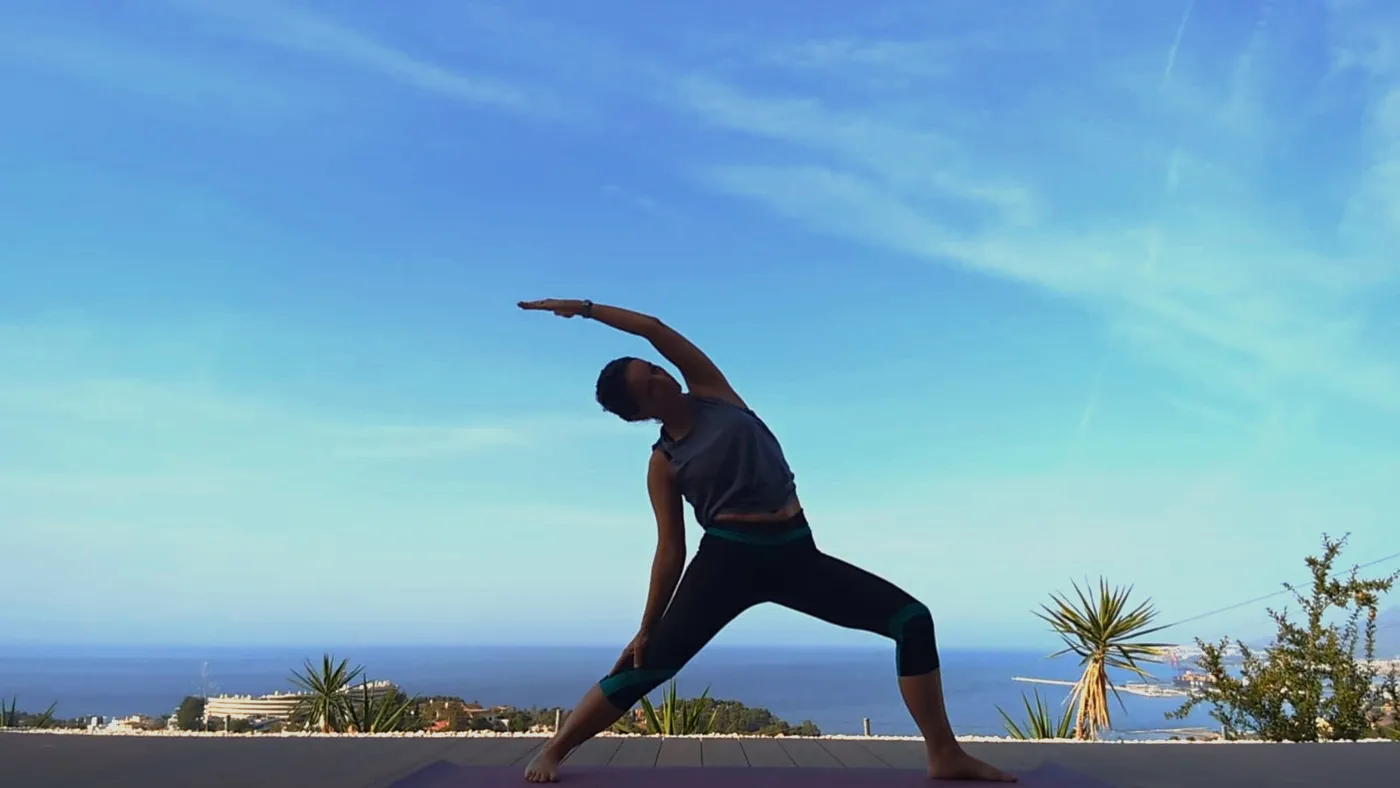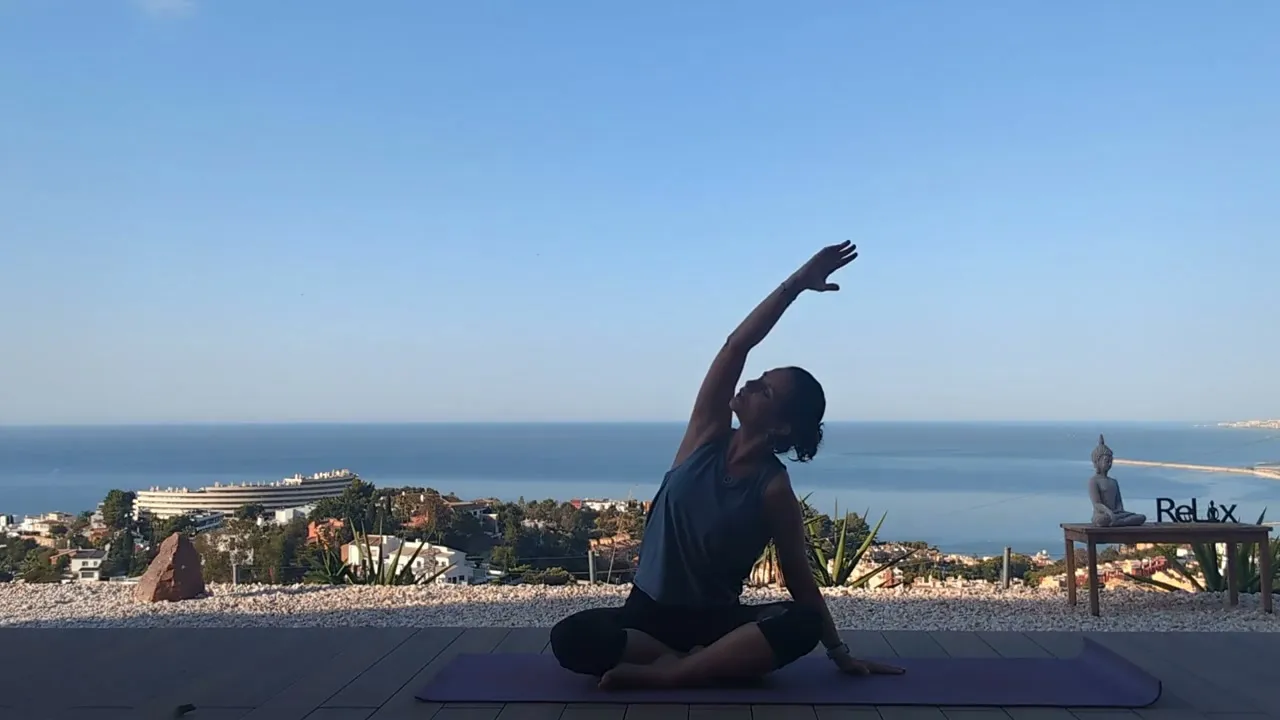
If you feel less flexible than you used to, you are in good company. I am over 40 myself, I wake up stiff most mornings, and I spend around eight hours a day at a desk. Flexibility does not vanish at 40. It just stops being something you keep without trying.
Why flexibility drops, and why it can come back
Age alone is rarely the main reason. Three things add up: moving through fewer positions each day, long hours of sitting, and gradual muscle loss. Harvard Health notes that after 30 you can lose as much as 3% to 5% of your muscle mass per decade (Harvard Health).
That last point matters for flexibility. When muscles are weak, the body protects its joints by tightening up. The same article says it is "never too late to rebuild muscle and maintain it", though it takes work and a plan. So the answer to "can I get it back?" is yes, and the route goes through strength and control as well as range.
What actually helps
- Short sessions, repeated often. Ten minutes most days beats one long weekly session. See Is 10 Minutes of Movement a Day Enough?
- Strength inside the range. Holding and controlling a position teaches your body that the range is safe.
- Breathing that lets go. Slow breathing helps tense muscles relax instead of bracing.
- Progression that respects where you are. Go to the edge of the stretch, not past it.
Hip-opening yoga practice
A gentle place to start putting the suggestions above into practice, focused on the hips and moving within a comfortable range.
Prefer to be guided? The 7-Day Move Better Reset is 7 short video sessions, 10 to 15 minutes a day, for €9.
Try the Reset for €9Why yoga is a complete answer
Yoga is often described as stretching, but a good practice is more than that. It takes your joints through their full range, asks you to control that range, builds strength with your own body weight, and trains balance. The NHS lists yoga among its muscle-strengthening activities (NHS), and recommends activities that improve strength, balance and flexibility on at least 2 days a week for older adults (NHS).
That is why yoga tends to hold flexibility better than stretching alone. Range that you can control is range you keep. For the wider picture, read Yoga for Mobility After 40, or Mobility vs Flexibility if you want to know how the two differ.
What slows progress down
The biggest mistake is treating flexibility like a test you need to pass. If every session feels like forcing, the body braces instead of softening. Pain is not a sign of progress. Stopping and coming back tomorrow is. If touching your toes is the goal, Why Can't I Touch My Toes? explains what is really holding you back.
Starting from zero after 50
If you are over 50 and have never really exercised, you might think the window has closed. It has not. You are not behind, you are simply at the beginning, and a beginning is a perfectly good place to start. The NHS guidance for older adults says to make sure "your activity and its intensity are appropriate for your fitness" (NHS), and to be active every day, even if it is only light activity.
A few things make the start easier:
- Check first if needed. The NHS advises speaking to a GP if you have not exercised for some time or have a medical condition.
- Use support. A chair, a wall or a kitchen counter makes many movements safer and less intimidating.
- Choose small and gentle. A few minutes you actually do beat an ambitious plan you drop in week two. How to Stay Consistent With Exercise After 40 covers how to make it stick.
- Follow a clear path. Beginners do best with progressive guidance, not random videos. The 10-Minute Daily Mobility Routine for Beginners and Free YouTube vs App vs Program help you choose.
Strength matters here too. The Harvard article recommends progressive training and checking with your doctor before starting a strength routine. Yoga uses your body weight as gentle, scalable resistance, which suits a beginner well.
One move to try: supported hip hinge
Stand facing a counter or sturdy chair back, feet hip-width apart, hands resting on it. Soften your knees, then slowly push your hips back and fold forward from the hip crease with a long spine, until you feel a gentle pull at the back of your legs. Breathe slowly, then press the floor away to stand. Stop well before any sharp feeling.
It is one useful move, not a complete practice. A complete practice also builds the hips, shoulders, core and balance, and progresses gradually over weeks.
What progress looks like
Sometimes progress is touching your toes. More often it is simpler: waking up less stiff, putting on your socks more easily, feeling less guarded in your hips and shoulders. Those changes build over weeks of regular practice, not overnight.
When to see a doctor
See a GP before you start if you have not exercised for some time or have a medical condition. Get checked if you have sharp or lasting pain, numbness or tingling, swollen, hot or red joints, or stiffness that keeps getting worse instead of easing with movement.